

Professional sports organizations compete for more than ticket sales. They compete for attention, loyalty, time, and emotional connection. Few markets demonstrate this better than Minnesota, where hockey is deeply connected to the state’s culture.
For the Minnesota Wild, the ideal customer is not simply someone who enjoys watching hockey. The most valuable customers develop an emotional relationship with the team and see attending games as part of their identity and lifestyle.
For this persona, we are focusing on Sarah Johnson, a dedicated Minnesota hockey fan who represents the Wild’s established adult fan base.
Meet Sarah Johnson
Age: 42
Location: Minneapolis–St. Paul metropolitan area
Occupation: Human resources manager
Household income: Approximately $70,000–$150,000
Marital status: Married
Household: Husband and two children
Sarah is an established professional with enough disposable income to spend on entertainment, but she still considers the value of her purchases.
Unlike the casual sports consumer, Sarah follows the Wild throughout the season. She pays attention to players, standings, news, and team developments. Hockey is also something she can share with her family and friends.
The Minnesota Wild’s Fan Advisory Board provides evidence of this type of customer. The team’s members include professionals working in management, insurance, human resources, retail, finance, and other industries throughout Minnesota.
Demographics: Who Is Sarah?
Sarah is typically between 30 and 55 years old and lives in the Minneapolis–St. Paul area or another Minnesota community with strong hockey connections.
She has some form of higher education and works in a professional, managerial, healthcare, education, or business position. Her household may include a spouse or partner and children.
The Wild’s geographic audience is considerably larger than the Rapid City Rush’s. While the Rush’s audience is concentrated around the Black Hills, the Wild can reach fans across Minnesota and beyond.
However, Minnesota’s hockey culture gives the Wild something unique: a built-in cultural connection to the sport.
Psychographics: What Matters to Sarah?
Sarah is passionate about hockey, but her relationship with the Wild is about more than the game itself.
She values family, community, tradition, and loyalty. She enjoys attending games with friends and relatives and may use tickets as a way to strengthen relationships.
The Wild’s Fan Advisory Board provides examples of this social relationship. Some season-ticket members describe fellow fans as becoming an extended family, demonstrating how professional sports can create communities around shared interests.
Sarah is social and passionate but also practical. She wants a quality experience for the money she spends.
Her motivations include supporting the home team, spending time with people she cares about, experiencing live NHL hockey, and feeling connected to Minnesota’s larger hockey culture.
Her biggest pain points are cost and time. NHL tickets can be expensive, especially for families, and attending a game requires planning around work, school, youth sports, and other commitments.
Behavior: How Does Sarah Buy?
Sarah may purchase individual tickets, ticket packages, merchandise, or season memberships. The more emotionally connected she becomes to the team, the more likely she is to become a repeat customer.
The Wild provides multiple ways for fans to engage with the organization, including single-game tickets, season memberships, ticket packs, group experiences, theme nights, youth hockey programs, and digital content.
Her relationship with the Wild extends beyond game day.
She may follow the team on Instagram, Facebook, YouTube, and X. She may use the Wild’s mobile app, subscribe to team emails, watch videos, listen to podcasts, and follow NHL coverage.
Her customer journey is therefore ongoing:
Awareness → Emotional connection → Digital engagement → Ticket/merchandise purchase → Game-day experience → Repeat engagement → Loyalty
A customer who follows the team every day is considerably more valuable than someone who only sees an advertisement when tickets are available.
Goals: What Is Sarah Trying to Accomplish?
Sarah’s short-term goal is to enjoy the Wild season. She wants to attend games, follow the team’s progress, and spend time with her family and friends.
Her long-term goals are more emotional. She wants to maintain traditions and create experiences that she can share with her children.
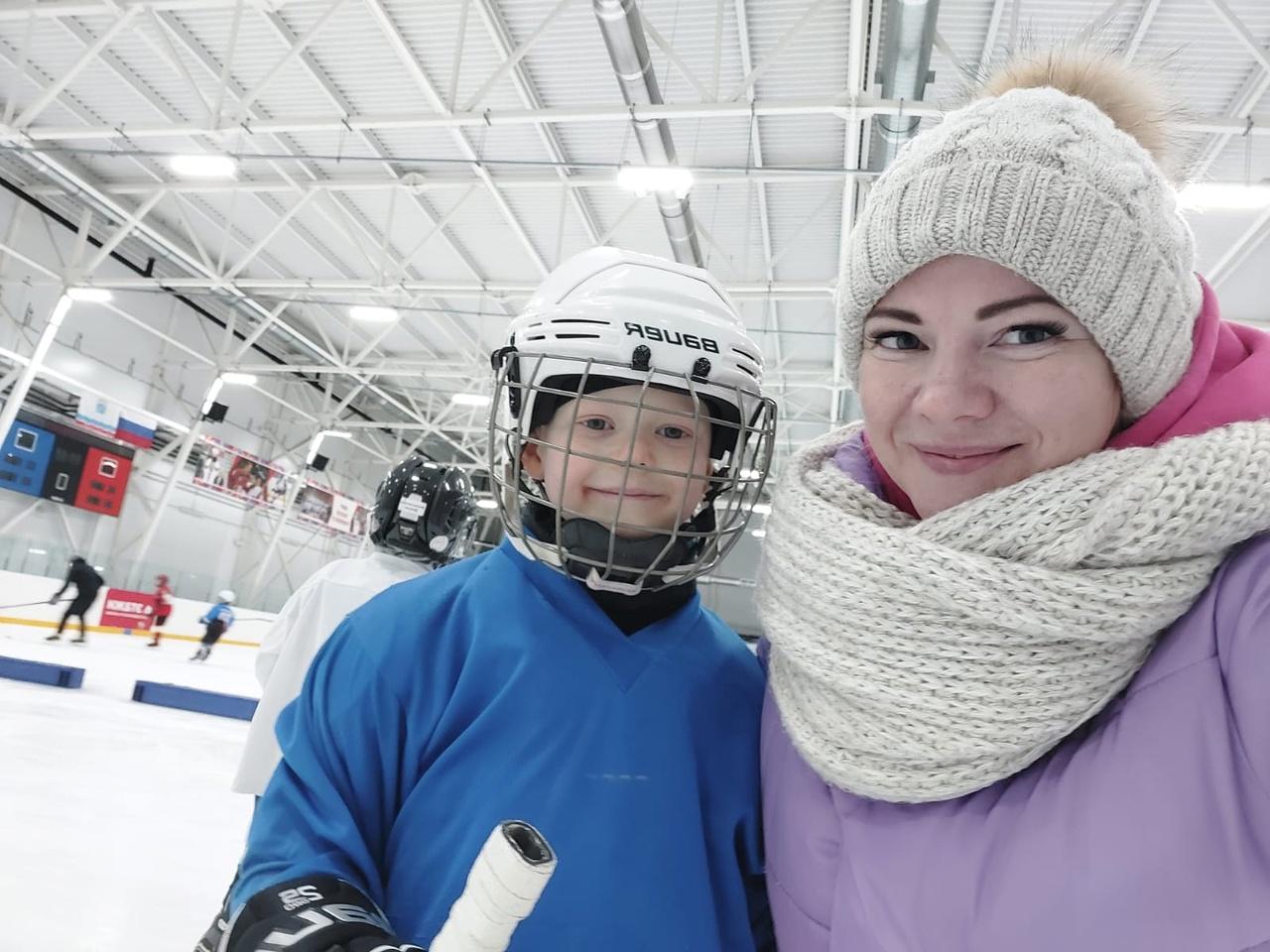
If her children become involved in youth hockey, that relationship with the Wild can become even stronger.
The organization supports this connection through youth hockey programs that provide opportunities for teams to attend games, skate during intermission, interact with the organization, and participate in fundraising activities.
The Minnesota Wild can therefore become part of Sarah’s family’s hockey journey.
Objections: What Could Stop Sarah?
The most obvious barrier is the price of attending NHL games.
Sarah may ask:
- Are these tickets worth the price?
- Where are the best seats?
- Is a season membership worth it?
- Are there ticket packages available?
- What promotions are happening?
- Can I bring my children?
- Are there youth hockey discounts?
- How much will the entire night cost?
Team performance can also affect Sarah’s satisfaction. A losing season doesn’t necessarily eliminate her loyalty, but it can affect how frequently she attends games or how much she spends.
Influence: Who Does Sarah Listen To?
Sarah is influenced heavily by other people who share her passion for hockey.
Players, coaches, friends, family members, youth hockey coaches, sports journalists, and other Minnesota sports fans can all influence her perception of the Wild.
She also consumes a significant amount of sports media, including NHL broadcasts, local sports coverage, social media, podcasts, YouTube, and team-produced content.
Player storytelling can be particularly powerful. Fans aren’t only interested in statistics; they want to know the personalities behind the jerseys.
Customer Voice and Real-World Example
The Wild’s Fan Advisory Board provides actual insight into how customers view the organization.
One season-ticket member described the appeal of being part of a community passionate about hockey, while another described attending games as an opportunity to have fun and connect with others.
These comments demonstrate that the Wild’s value extends beyond the physical product of a seat in an arena.
A representative persona quote for Sarah would be:
“Being a Wild fan gives me something to share with my family and the people around me.”
The Wild’s youth hockey initiatives provide another real-world example. By connecting young players and their families with NHL games and the organization, the Wild has an opportunity to develop fans at multiple stages of life.
The Marketing Opportunity
Sarah represents the type of customer that professional sports organizations want to retain for years rather than simply acquire once.
The Wild’s strongest marketing opportunity is to reinforce the emotional relationship between Minnesota, hockey, and the Wild.
The message isn’t simply:
“Come watch an NHL game.”
It is:
“This is your team. This is your community. This is Minnesota hockey.”
For Sarah, the Wild can become a family tradition, a social connection, and a source of community identity.
The more the organization strengthens those emotional connections, the less the customer relationship depends solely on the outcome of individual games.
The Minnesota Wild isn’t simply selling hockey tickets. It is selling belonging.



Leave a Reply