
Selling hockey equipment is fundamentally different from selling tickets to a hockey game. A hockey team is selling an experience, while an equipment manufacturer like Bauer is selling a product that directly affects how a player performs, feels, and participates in the sport.
There is another important difference: the person using the product may not be the person buying it.
This is especially true in youth hockey. A young player may choose the stick they want, but their parent is often the person researching, comparing, and ultimately paying for it.
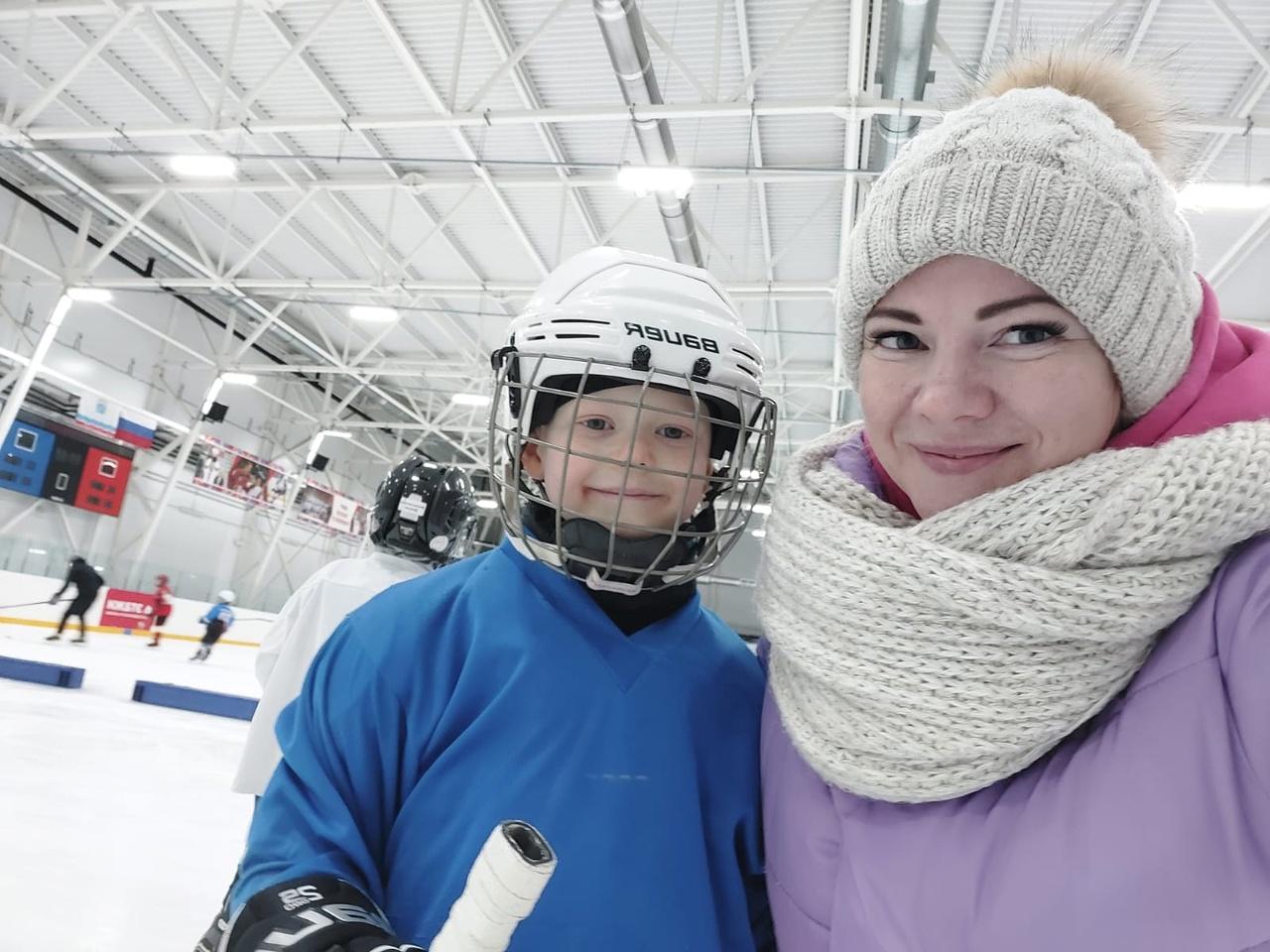
For this persona, we are focusing on Jennifer Miller, a hockey parent who serves as both the family’s equipment researcher and buyer.
Meet Jennifer Miller
Age: 41
Location: Minneapolis suburban area
Occupation: Healthcare administrator
Household income: Approximately $70,000–$150,000
Marital status: Married
Household: Husband and two children
Child: 11-year-old competitive hockey player
Jennifer is not necessarily a professional hockey equipment expert. She knows enough about the sport to understand that equipment matters, but she may not understand every technical difference between sticks, skates, protective equipment, and product lines.
What she does understand is that hockey equipment is expensive, her child is growing quickly, and buying the wrong product can be an expensive mistake.
That makes Jennifer a highly valuable customer persona for Bauer.
Demographics: Who Is Jennifer?
Jennifer is typically between 30 and 50 years old and lives in a community with access to organized hockey.
She has a college education and works in a professional field. Her household income gives her the ability to purchase quality equipment, but she still expects value from expensive products.
Her household typically includes a spouse or partner and children, with at least one child actively participating in hockey.
The geographic profile can vary significantly because hockey participation is concentrated in certain areas of the United States, including Minnesota, Michigan, Wisconsin, Colorado, Massachusetts, New York, and other hockey markets.
Psychographics: What Matters to Jennifer?
Jennifer is organized, protective, practical, and research-oriented.
Her child’s safety is important, but so is performance. She wants equipment that fits correctly, performs well, and lasts long enough to justify the price.
She also wants her child to feel confident. If her child believes a new stick or pair of skates helps them play better, Jennifer is more likely to view the purchase as worthwhile.
Jennifer’s interests extend beyond hockey. Her free time revolves around family activities, her children’s sports, fitness, and traveling to tournaments and games.
Her lifestyle can be hectic. A typical week may include work, school, practices, games, equipment maintenance, and travel.
Her biggest pain point is uncertainty.
There are dozens of hockey sticks, skate models, protective products, flex options, curves, and performance levels. Without clear information, it can be difficult to determine what is actually appropriate for her child.
Behavior: How Does Jennifer Buy?
Jennifer rarely makes a major hockey equipment purchase without research.
If her child needs a new stick, she may start with Google. She may then watch YouTube reviews, ask the child’s coach, talk with other hockey parents, compare Bauer and CCM, and visit a local hockey retailer.
Fit is particularly important for products such as skates and protective equipment.
Her purchasing journey can therefore be represented as:
Need → Online research → Reviews → Coach/peer recommendations → Brand comparison → In-person fitting → Purchase → Product evaluation → Repurchase
Bauer’s website plays an important role in this process by providing product information, equipment categories, fitting resources, and educational content.
The company offers products across youth, beginner, women’s, elite, recreational, and goalie categories, allowing customers to remain within the Bauer ecosystem as their needs change.
Goals: What Is Jennifer Trying to Accomplish?
Jennifer’s immediate goal is simple: find the right equipment.
She wants to know that the product fits her child, performs well, and is appropriate for their age and skill level.
Long term, she wants to support her child’s development as a hockey player.
If her child progresses into more competitive hockey, Jennifer may become an increasingly valuable Bauer customer because equipment needs become more specialized as players advance.
Bauer can support these goals by making equipment easier to understand.
Instead of forcing parents to become equipment experts, the brand can provide clear explanations of fit, technology, performance levels, and product differences.
Objections: What Could Stop Jennifer?
Price is one of the biggest barriers.
Hockey is already an expensive sport, and children can outgrow equipment before they physically wear it out. Sticks can also break, creating an additional recurring expense.
Jennifer may question whether the most expensive product is actually worth the additional cost.
She may ask:
- Is Bauer better than CCM?
- Which Bauer stick should I buy?
- What flex does my child need?
- Which skate model is right for them?
- How long will this product last?
- Is the expensive model really worth it?
- What happens if the stick breaks?
- Where can I try this product on?
These questions represent an important marketing opportunity.
The more uncertainty Bauer can remove from the buying process, the easier it becomes for Jennifer to make a purchase.
Influence: Who Does Jennifer Listen To?
Jennifer’s purchase decisions are strongly influenced by people she trusts.
Coaches are particularly important because parents often view them as experts. Other parents, teammates, professional players, retailers, and equipment reviewers can also influence her.
Online content plays a major role.
Jennifer may use Google to research products, YouTube to watch reviews, Instagram and TikTok to discover products, and hockey websites or forums to research technical information.
Professional hockey players also contribute to Bauer’s brand image. Seeing elite players use Bauer equipment provides social proof that the products are trusted at the highest levels of hockey.
However, professional endorsements alone may not close the sale. Jennifer still wants information that applies specifically to her child.
Customer Voice and Real-World Example
Actual Bauer customer reviews demonstrate the tension between performance and price.
One customer reviewing a Bauer product wrote:
“Son loves this stick only a little pricey for parents.”
Another customer wrote:
“My son loves it. Great performance and feel.”
A different customer commented:
“My daughter loves this stick.”
These comments illustrate an important aspect of Bauer’s customer relationship: the child often experiences the product, but the parent experiences the financial decision.
That creates two audiences within one purchase.
The player asks:
“Will this make me play better?”
The parent asks:
“Is this worth the money?”
Bauer’s marketing needs to answer both questions.
The Marketing Opportunity
Jennifer represents a major opportunity because a satisfied hockey parent can become a long-term customer.
If Bauer earns Jennifer’s trust when her child is 10 or 11 years old, that relationship can potentially continue through different sticks, skates, helmets, protective equipment, and increasingly advanced products.
The most effective Bauer marketing should therefore focus on education, trust, performance, and value.
Instead of simply saying:
“This is our newest stick.”
The brand can explain:
“Here’s who this stick is designed for, here’s what makes it different, and here’s why it might be worth the investment.”
That approach reduces the customer’s uncertainty and makes Bauer feel like an equipment expert rather than simply another company trying to sell a product.
For Jennifer, Bauer isn’t just selling hockey equipment.
Bauer is selling confidence that she made the right choice for her player.



Leave a Reply